
New Flood Barrier Rules for Quayside Businesses: What Local Owners Need to Know
If you run a shop, café, gallery or workshop on the quayside, the rules around flood barriers have changed — and the deadlines are staggered, so the business two doors down may be working to a different date than you are.
The short version: barriers now have to be matched to your property's actual risk, fitted by people who know how to fit them, and documented. A stack of boards in the back yard and a hopeful bag of sand no longer count. What follows is what has changed, what you have to do, and the support available to help cover the cost.
What has actually changed
Three things, mainly.
- Specification is property-specific. The old approach let owners choose from a general list of approved products. Now the barrier has to be appropriate for your doorway, threshold height, floor level and the way water arrives at your frontage — whether that's a slow rise from the quay or a fast flush up through the drains.
- Deployment time is part of the standard. A barrier that takes four people three hours to assemble at 2am is not considered adequate. The requirement is that it can be fitted by the people who are actually on site, within the warning time your property realistically gets.
- Evidence matters. You may be asked to show what you have, where it's stored, who is trained to fit it, and when it was last checked. Verbal assurances are no longer enough.
None of this is unreasonable. Most of it simply formalises what the more switched-on waterfront businesses have been doing for years.
Does this apply to your premises?
The rules cover commercial premises with ground-floor access in the designated flood risk area — which includes most of the frontage along the quay, plus a handful of streets running back from it. If you have received a notice, you are in scope. If you haven't but you're near the water and your building has a step-down entrance, check with your council rather than assuming you're clear.
If you rent, the picture is murkier. Responsibility for flood resilience is often split between landlord and tenant, and it depends entirely on what your lease says. Read it before you order anything, and if the wording is vague, get proper advice — a barrier you buy that your landlord was already obliged to provide is money you won't see again.
The deadlines, in order
Exact dates depend on your property's risk band, and your notice letter is the authoritative source. The sequence, though, is the same for everyone:
- Acknowledge and confirm. Confirm you've received the notice and that your contact details are correct. This is also the moment to query anything that looks wrong — a mis-mapped boundary line, for example.
- Get the property assessed. A survey establishes the specification you need. Some councils and flood partnerships offer this free or subsidised.
- Specify and order. Allow real lead time. Custom barriers and airbrick covers are not off-the-shelf items, and demand spikes before each phase.
- Install and train. The barrier needs to be fitted, adjusted and then rehearsed by the people who will deploy it.
- Submit your evidence. Photographs, product details, a short deployment plan and training records. Keep a copy.
What counts as an acceptable barrier
There isn't a single approved product, but most accepted solutions fall into a few categories:
- Demountable barriers that slot into fixed frames or channels around the door, stored on site and fitted when a warning comes.
- Passive or permanent measures — raised thresholds, flood doors, sealed walls — which need no one to turn up in the rain.
- Airbrick and vent covers, which stop water pushing in through the walls.
- Drainage measures such as non-return valves, which address the water that arrives from below rather than the water at the door.
The details that fail inspections
Most rejections come down to small things. Gaps around pipework. Seals that have perished in storage. A barrier stored in a cellar that floods first. A fitting that works fine in daylight and takes two people twice as long in the dark.
Practical rule worth remembering: if your team can't fit the barrier in poor light, in wet weather, without reading the instructions, it isn't finished.
Support that's available
Support varies by scheme and by property, so the honest answer is that you have to ask — but there are four routes worth exploring.
Grant funding. Many resilience schemes part-fund barrier hardware and installation, often prioritising small independent businesses, listed buildings and premises in the highest risk band. Ask what the contribution covers and whether it's paid upfront or reimbursed on completion.
Free or subsidised surveys. These are frequently offered through flood partnerships, and they save you guessing at a specification you'll then have to pay for.
Shared procurement. Neighbouring businesses with similar frontages can sometimes buy together and negotiate a better unit rate, and share a single installation visit.
Business support and rate relief. Where flooding has affected a property, separate support schemes may apply. That's a different conversation from barrier funding, and worth having.
For anything with money or legal weight attached — grant conditions, lease obligations, insurance requirements — take professional advice rather than relying on what a neighbouring owner was told.
One more thing: tell your insurer what you've installed. A documented, properly fitted barrier can improve your terms, but only if they know about it.
The bits owners forget
- Who deploys it. If the answer is "whoever's on shift," they need to be trained and named.
- Where it lives. Storage that's accessible, dry, and above the likely flood level. Not the cellar.
- Staff turnover. New starters need the same walkthrough as everyone else.
- Opening hours. A café that opens at 7am needs a plan that works before 7am.
- Insurance notification. Cover and conditions can hinge on measures being in place as specified.
- Neighbours. Water doesn't respect boundaries, and a shared plan is stronger than four separate ones.
Five things to do this month
- Read your notice and note your deadline in a diary you actually check.
- Check your lease to see who pays for what.
- Book a survey — this is the step with the longest queue and the least flexibility.
- Ask the council, in writing, what support applies to your premises.
- Walk your frontage in the rain and photograph every gap water could use.
Start with the survey and the lease, in that order if you're renting. Everything else follows from what those two documents tell you — and there's still time to do it properly rather than in a rush the week before a deadline.
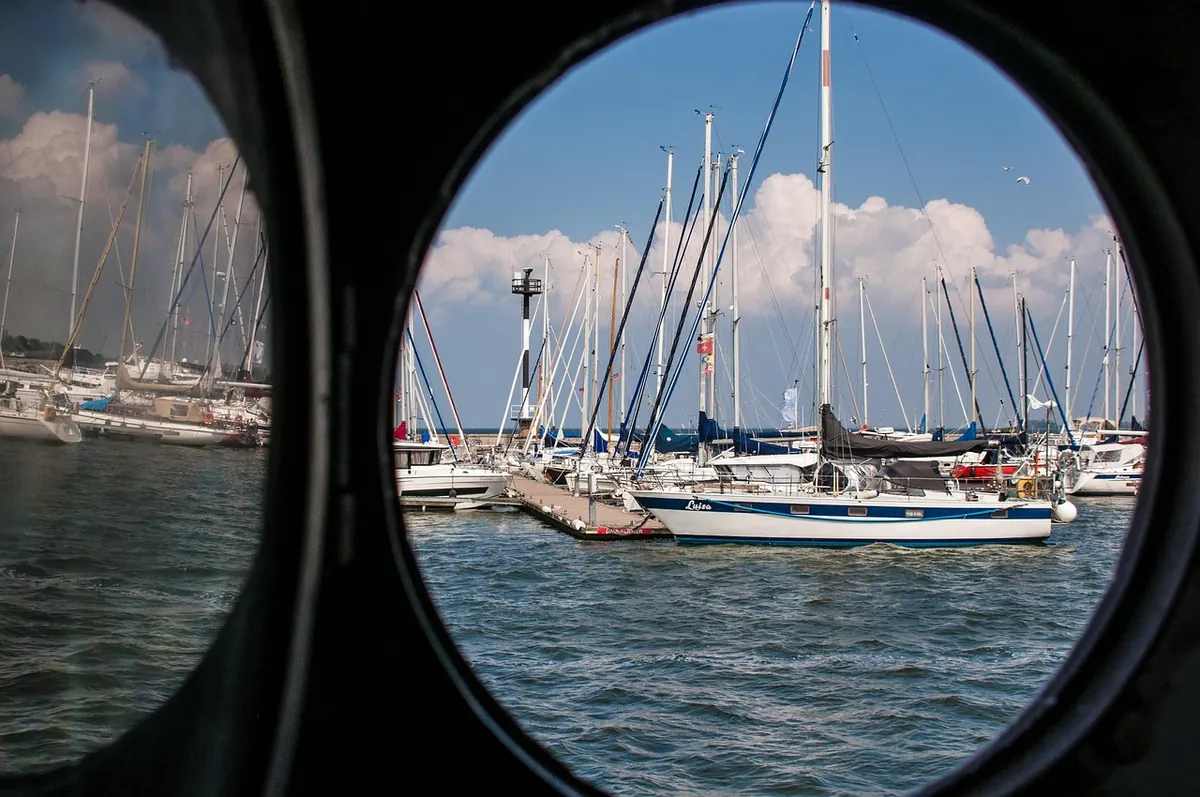
Photo: Tomás Asurmendi / Pexels

You Might Also Like
Golden hour at the quay rewards a little planning. Here are the camera settings, tide timing and composition tips that make waterfront photographs work.
New Quay's noise ordinance sets decibel limits by time of day, shortens outdoor music hours, and gives venues a clear checklist to follow.