Common Mistakes to Avoid When Hosting a Quayside Pop-Up Market
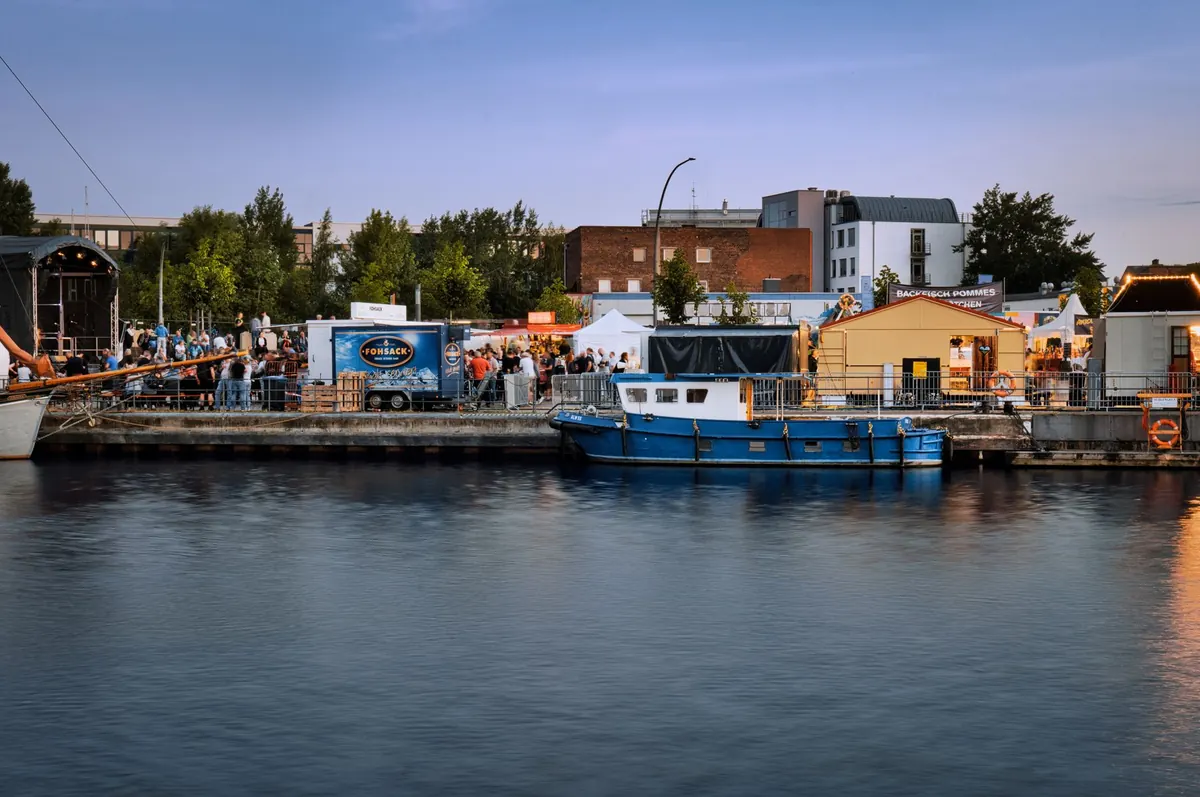
A pop-up market on a quay looks effortless from the far bank: strings of lights, a row of stalls, the water doing the decorating for free. Up close it is a logistics puzzle with a moving edge. Most first-year waterfront markets don't fail because the coffee was cold or the band was too loud. They stumble on permissions requested too late, a tide table nobody read properly, gangways that funnel crowds into a dead end, and vendors who only learned the plan on the morning of the event.
None of that is exotic. It is the ordinary stuff of running a market on a working edge of land and water, where the site itself has opinions about what you can do.
Sort the Permissions Before You Design Anything
Most organisers work in this order: pick a date, sketch a layout, book the stalls, then ask who needs to approve it. Do it the other way round. A quayside site usually involves more than one authority, and their answers will shape the layout you are allowed to draw.
Depending on where you are, you may need to speak to the landowner, the harbour authority or port, the local council's events and licensing teams, and whoever manages street trading consents in that area. Food vendors will have their own registration and hygiene requirements, and if you plan amplified music, alcohol, or a road closure for the access route, that is another conversation entirely.
Two habits save months of grief. First, ask early and in writing, and treat a verbal "should be fine" as nothing at all. Second, ask what the permission forbids, not just what it allows. Trading hours, sound cut-offs, the placement of generators, the gap you must leave for emergency vehicles — those details come straight out of the paperwork and land directly on your site plan. Give yourself more lead time than feels reasonable; some approvals move slowly.
Read the Tide Table Like a Schedule, Not a Footnote
A quay is not a promenade. Water reaches parts of it that look perfectly dry at two in the afternoon, and the apron that suits twenty stalls at low water may be ankle-deep by early evening. Spring tides and neap tides behave differently, so the fact that last month's market worked tells you very little about this one.
Work out, for your specific date, when the water arrives and leaves, and how much of your footprint it touches. Then build in a buffer. If high water is mid-afternoon, don't put your busiest food stall on the lowest slab at that hour.
- Get the tide times and heights for your exact location, not the nearest big port.
- Mark the predicted high-water line on the ground with tape during setup, so vendors can see it.
- Keep stock, stock boxes and generators behind that line.
- Set a trigger point for moving or closing the waterward stalls, and agree who gives the order.
- Walk the escape route. If everyone has to leave at once, where do they go?
Low water brings its own problem: slick green algae on stone or concrete that turns a gangway into a skating rink. Warn vendors, and put matting where the foot traffic is heaviest.
Layout: Watch the Wind, the Slope and the Exits
Quays funnel wind along the wall, and a gazebo that survived a calm morning can lift its legs by lunchtime. Ballast matters more than pegs on hard standing — weight on every leg, and the canopy weighted before it is raised, not after.
Keep the required emergency access lane clear from the first van to the last table, and check the exact width with your council rather than guessing. Avoid layouts that create a dead end at the far end of the row; people turn around, and the vendor at that end spends the day looking at backs.
- Space gangways for a wheelchair, a double buggy, and someone stopping dead to read a menu.
- Put the longest queues where there is room to queue, not beside the narrowest pinch point.
- Check the camber. Quays often slope towards or away from the water, so stalls need levelling.
- Mat or cover every cable run, and keep them out of walking lines.
- Check phone signal for card readers. Old quays are not always generous.
Vendor Communication Is Half the Event
Sending a plan the night before is not communication. Vendors need time to load a van, arrange cover, and buy stock. A single email a week out, plus a short reminder the day before, prevents most of the confused circling at the gate.
Tell them the arrival window and which gate to use, where to unload and where to park afterwards. Give exact pitch dimensions and the ground surface, and say what ballast they must bring. Be clear about power — what is available, what is not — and about water, toilets, waste and recycling. Name a site marshal and give a phone number that will actually be answered. Most importantly, state where the seaward limit of each pitch is, in a way they can see on the ground.
Decide the Weather Call in Advance
"We'll see how it looks" is how markets end up half-packed while vendors wait for a decision that never comes. Write down your conditions: the wind speed at which you stop, who makes the call, and by what time. Tell vendors how the call will reach them, and what happens to stall fees if the event is cancelled. Ask for insurance documents and food registrations in advance, not at the gate.
If you are unsure what insurance, licensing or food-safety requirements apply to your site, check with your local authority and take professional advice before you trade.
Don't Assume "Quayside" Means Crowds
Waterfront locations are attractive but not always accessible. Check parking, bus routes, walking paths, and whether the route is lit after dusk. If you are counting on a nearby attraction to bring people past the stalls, confirm its opening hours first. A museum that closes at five will not deliver an evening crowd.
Vendors also need variety. Twelve stalls selling the same thing split the same spend twelve ways. A smaller market with a wider mix is usually stronger in year one.
The Week-Before Walk-Through
Visit the site at the same time of day, and the same state of tide, as your event. Walk the layout with a tape measure, stand where the busiest stall will be, and look at what blocks the view. Then write a one-page brief: times, access, contacts, limits, and the plan for weather and water. Keep the first market small — fifteen to twenty stalls is enough to learn from. Note what worked, fix one thing, and run it again next month.
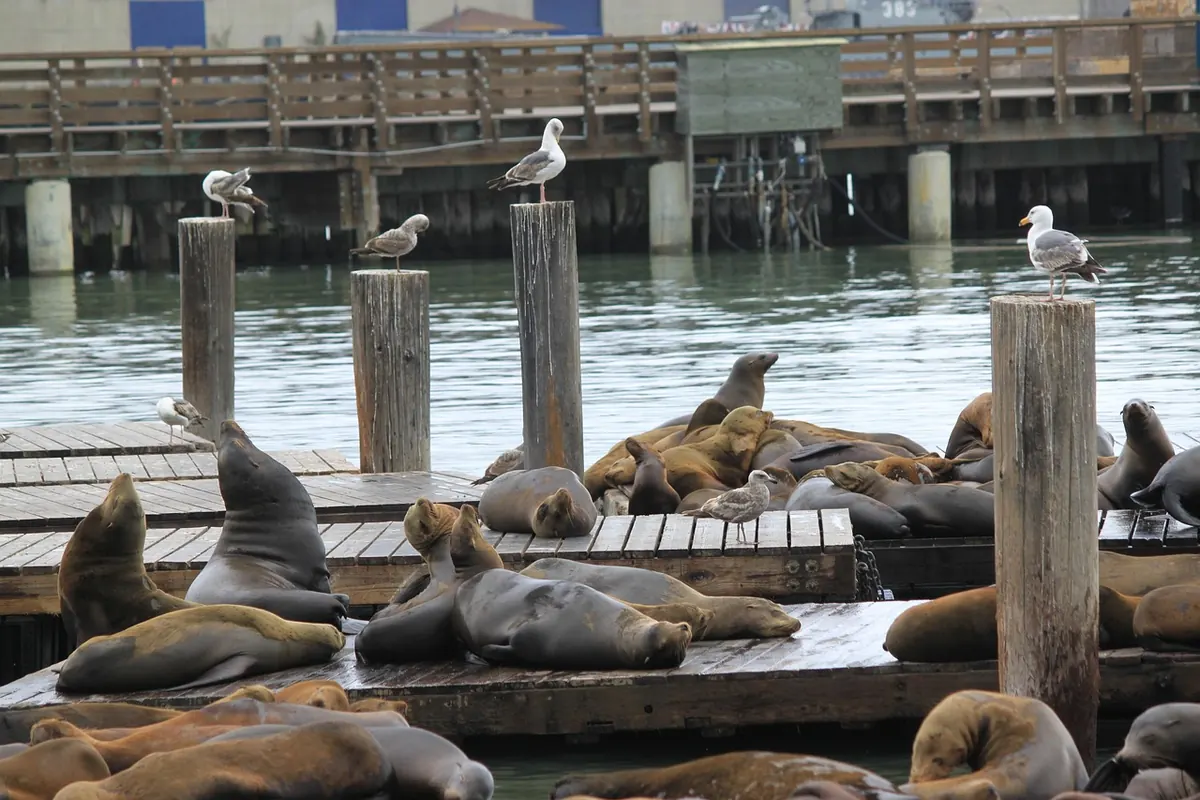
Photo: YangGuangWu / Pixabay
You Might Also Like
Golden hour at the quay rewards a little planning. Here are the camera settings, tide timing and composition tips that make waterfront photographs work.
New Quay's noise ordinance sets decibel limits by time of day, shortens outdoor music hours, and gives venues a clear checklist to follow.