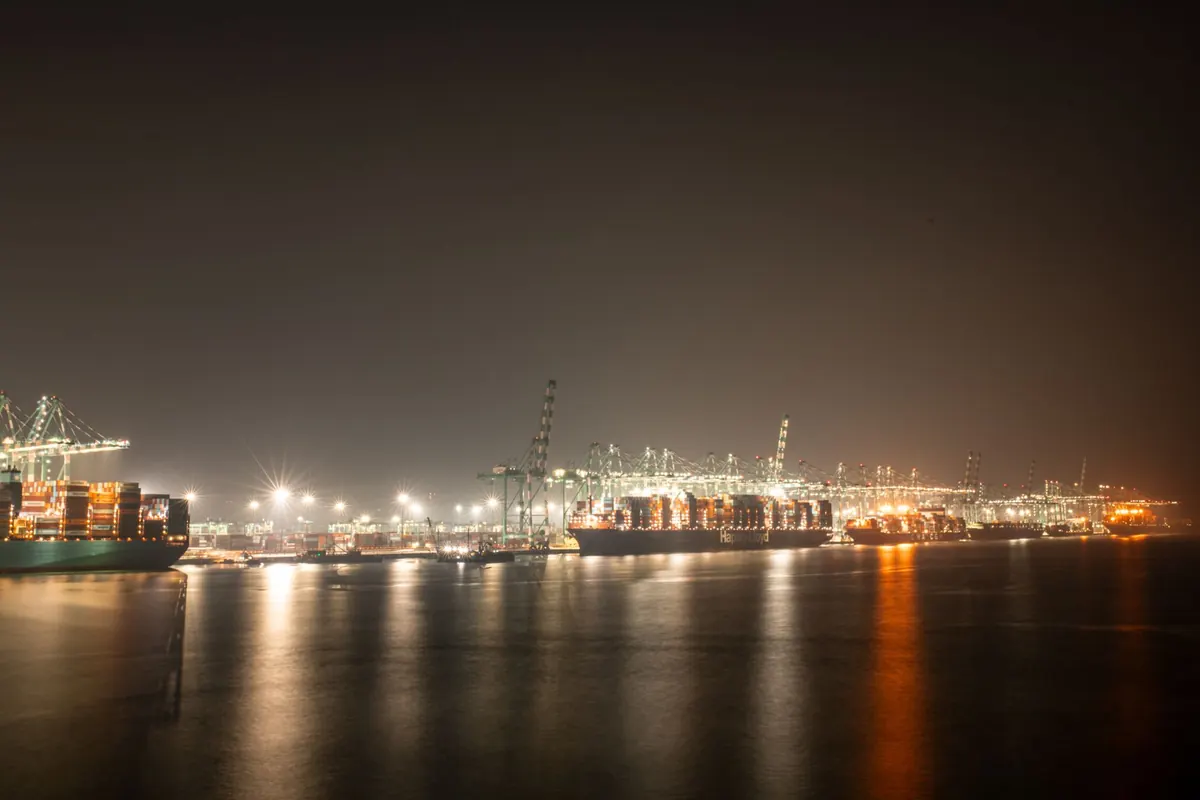
Maritime Explained: Why Port Fees Change with the Season
Anyone who has tied up in the same marina in June and again in October knows the feeling: same berth, same length of boat, same three nights aboard — different invoice. Port fees move with the calendar, and the reasons are less mysterious than they look. Once you know what drives the swing, you can plan around it, or at least stop being startled by it.
What Actually Counts as a Port Fee
"Port fees" is shorthand for a bundle of charges that vary by harbour, by vessel type and by whether you are carrying people, cargo or neither. A cruising yacht and a container ship may both pay harbour dues, but almost nothing else on their bills will match.
- Harbour or tonnage dues — levied on arrival, usually calculated from vessel length, gross tonnage or net tonnage.
- Berthing or wharfage — charged per metre per night for yachts, or per tonne or per container for cargo.
- Pilotage, towage and lines handling — compulsory in many commercial ports, optional or unnecessary in small ones.
- Utilities — water, shore power, pump-out and garbage removal, sometimes metered and sometimes flat.
- Agency, documentation and security charges — the paperwork layer that grows with the size of the port.
- Passenger and tourist levies — common in cruise and visitor-heavy harbours, often charged per person per night.
Some of these sit on a published tariff set by a port authority and revised on a fixed annual cycle. Others are commercial and move with demand. The seasonal movement lives almost entirely in the second group.
Why a Calendar Can Change a Tariff
Three forces do most of the work: demand, weather and the cost of keeping a harbour running.
Demand is the obvious one. Mediterranean marinas fill from late June through August. New England and the Great Lakes peak in high summer. Caribbean and Bahamas berths tighten when the northern winter bites. A berth that sits empty in February can be booked out in July, and pricing follows occupancy.
Weather matters more than most people expect. Haul-out and lift schedules cluster into spring and autumn. Insurance policies often define a named-storm or hurricane season, which changes where owners are willing to leave a boat and when. Inland waterways add another layer: low water in a dry summer can force lighter loading and trigger surcharges of its own.
Then there is operating cost. Seasonal staff, dredging windows, festivals, regattas and holiday labour all show up in the numbers a port has to recover. A harbour hosting a week-long regatta is running extra staff, extra moorings and extra admin — and the tariff sheet usually says so.
Peak-Season Surcharges, Decoded
There are two distinct animals here, and mixing them up causes confusion.
For berths and marinas, the seasonal charge is usually a rate change rather than a surcharge. The high-season nightly rate simply is higher, and it often arrives with conditions attached: minimum stays of two or three nights, premium pricing for alongside berths, higher rates for boats over a certain length, or a separate charge for electricity once the air conditioning runs all day.
For cargo, the peak season surcharge (PSS) is a temporary add-on announced by a carrier when demand outruns available capacity. These tend to appear ahead of predictable crunch points — the weeks before Chinese New Year, the run-up to major holiday retail periods, the start of a busy export season. Alongside them you may see congestion surcharges, general rate increases, or blank sailings that quietly remove capacity and push spot rates up.
Reading the wording carefully
A surcharge is temporary by design and usually has a stated expiry date, though it can be extended. A tariff revision is permanent until the next revision. If you are budgeting, ask which one you are looking at. The difference matters when you are comparing quotes from two ports or two carriers.
Where Off-Season Discounts Hide
Discounts are rarely advertised as discounts. They appear as winter berthing packages, monthly or annual contracts that undercut nightly rates, storage deals that include a lift and block-off, or shoulder-season yard rates in October and March when the lift schedule is quieter.
Ask specifically for a shoulder-season quote rather than accepting the first number you are given. Ask what a monthly rate works out to per night. Ask whether a longer stay moves you into a different tariff band. Ports are often more flexible than their published sheet suggests, particularly outside peak weeks.
What It Means for Sailors
If your cruising window is flexible, a shift of two or three weeks can change your berthing bill noticeably. Booking early in peak season is not just about price; in the busiest harbours it is about having a berth at all.
Check the definition of "high season" at each port you plan to visit. Some set it by fixed dates, others by local events, and a few change it year to year. Read the tariff document rather than the summary on the homepage. Confirm what is included: water, power, showers, waste disposal, dinghy dock. Confirm the tourist or passenger levy, which is often charged per person and can add up quickly for a crew of four.
Finally, keep your own record. What you paid, when, and for how long is the most useful negotiating tool you will ever have.
What It Means for Shippers
Seasonality passes straight through into landed cost. A peak season surcharge on a container may look small per box, but it compounds across a season's bookings, and it usually lands after your customer pricing is already agreed.
Build the calendar into your planning. Note the holiday windows that reliably tighten capacity, book earlier than feels necessary, and ask for quotes that separate base freight from surcharges so you can see what might disappear again. When a surcharge is announced with an expiry date, diarise that date and check whether it was extended rather than quietly absorbed.
Contract rates and spot rates behave differently in a tight market, and the gap widens in peak weeks. If you are committing to significant volumes or signing a service contract, it is worth taking advice from a freight forwarder or your own commercial advisers before you sign.
How to Plan Around the Calendar
- Download the port's current tariff sheet and read the definitions section first.
- Ask when high season starts and ends at that specific harbour, and whether local events shift it.
- Request a shoulder-season and a monthly quote, then compare them per night or per tonne.
- List every per-person charge — tourist levies, passenger fees, security — before you commit.
- For freight, mark the known holiday congestion windows in your planning calendar a year ahead.
- Keep last year's invoices. They are your baseline for judging whether a new quote is reasonable.
The seasonal swing in port fees is not a conspiracy. It is supply, demand, weather and staffing doing what they always do. Understanding the pattern will not make the summer invoice disappear, but it will let you decide whether to pay it, dodge it, or negotiate it — and that is usually worth a phone call.

You Might Also Like
Golden hour at the quay rewards a little planning. Here are the camera settings, tide timing and composition tips that make waterfront photographs work.
New Quay's noise ordinance sets decibel limits by time of day, shortens outdoor music hours, and gives venues a clear checklist to follow.